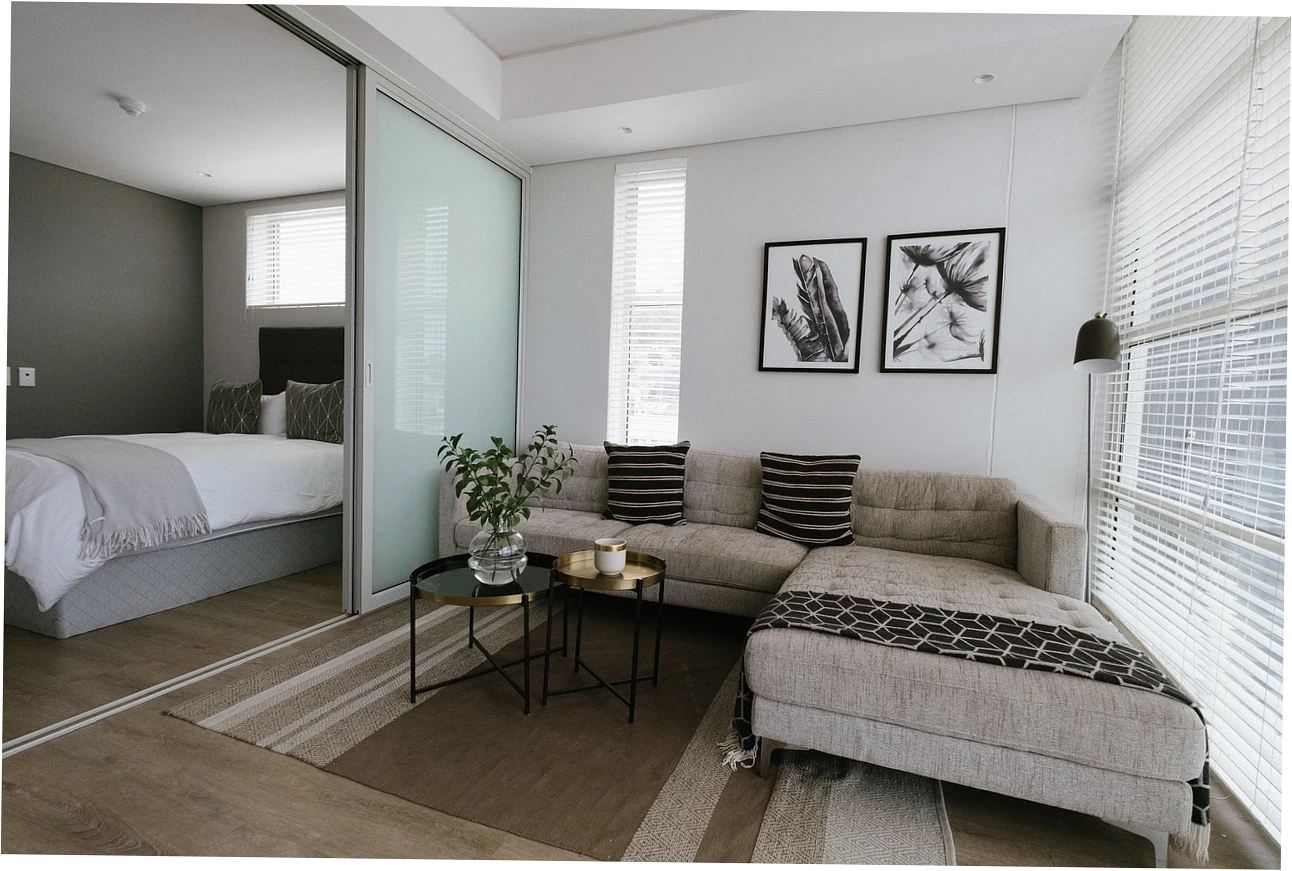
I’ll save you the scrolling: the best curtain length for low ceilings is a floor-length panel that hovers roughly half an inch above the floor, hung from a rod mounted at or near the ceiling line. Sill-length panels, cafe curtains, and anything that stops mid-wall quietly chop your room in half. The fabric itself isn’t what buys you height — the unbroken vertical line is.
Table of Content
What Curtain Length Works on Low Ceilings?
Why One Unbroken Vertical Line Reads Taller
Here’s the mechanism in plain terms: your eye treats an unbroken run of fabric as a single tall column, but any horizontal break gives it a place to stop. A rod bolted below the window trim, or a hem floating at mid-wall, creates that stop instantly. Getting this right is one of the cheapest wins in making small living rooms feel bigger, and it costs nothing extra at checkout.
Depth matters as much as drop. Panels stacked on a rod that ends exactly at the window frame cover glass instead of wall, so the room never gains that visual width. Extending the rod six to ten inches past each side lets the fabric sit mostly over bare wall, which reads as a wider wall — and wider walls, at the same low ceiling height, read as taller ones.
How Low Can a Hem Safely Sit?
The sweet spot in low-ceilinged rooms is a hem that clears the floor by zero to one inch. Below that you’re into puddling, which drags the eye down and traps dust in a small, hardworking space. Above two inches, the gap starts reading as short curtains — the exact impression you’re trying to avoid.
You can bend the rule slightly if baseboard heaters, vents, or a robot vacuum sit under the window. In that case, aim for one to two inches of clearance and keep the hem height identical across every window in the room. Consistent hems matter more than perfect ones here, because mismatched lengths create the horizontal clutter you’re trying to erase.

Which Curtain Lengths Make Ceilings Look Lower?
Sill and Apron Lengths Chop the Wall
Sill-length panels are the single most common mistake in short rooms. They cover exactly the same rectangle as the window itself, so the wall above stays empty and the ceiling keeps sitting low. If you already own them, the fix is usually a fabric swap rather than a style rethink — the hardware is rarely the real problem.
Apron-length curtains, stopping a few inches below the ledge, create the same chopping effect with extra fuss. They also expose more wall than they cover, which is the opposite of what a low ceiling needs. The one legitimate use is a kitchen sink window with almost no floor clearance, where a short cafe curtain genuinely outperforms full drapery.

The Floating Hem Above Furniture
Shortening curtains so they finish above a sofa or bed is tempting in tight rooms, but it backfires. A hem that ends in mid-air, with visible wall beneath it, draws a hard horizontal line exactly where you don’t want one. Where furniture sits against the window wall, run full-length panels behind it instead.
That only works if you leave stacking room — roughly a third of the panel width in clearance so fabric can pull clear of upholstery. A bracket with a longer return arm helps here. Where there is genuinely no gap behind a sofa, a shade mounted inside the frame is the cleaner answer.
| Hem position | How it reads | Best used when |
|---|---|---|
| At the sill | Ceiling reads lowest; window looks boxed in | Rarely — kitchen sinks only |
| Apron, 3–6 in below sill | Same chopping effect with added visual noise | Utility windows with zero floor clearance |
| Float above sofa back | Hard horizontal line cutting the wall in half | Avoid when furniture hugs the window wall |
| 2–4 in above floor | The gap reads as short curtains | Only over heaters or vents |
| 0–1 in above floor | Longest unbroken vertical line; strongest height illusion | Default choice for low ceilings |
| 1–3 in of puddle | Soft and generous, but adds fussiness and dust | Large windows in generous rooms |
Floor-Length vs Sill Curtains on Low Ceilings
What Each Length Actually Does to the Room
Side by side, floor-length panels win on nearly every visual metric that matters in a short room: apparent ceiling height, apparent wall width, and the feeling of a finished, intentional space. Sill-length curtains win on practical metrics — less fabric, lower cost, nothing to trip over, and no clearance headaches with radiators or furniture.
The honest trade-off is fabric and cleaning. Full-length panels use roughly 40 percent more yardage than sill-length ones at the same fullness, and hems do collect floor dust. Working with a tight budget, buy one window’s worth of floor-length panels in a light solid color rather than two windows’ worth of short ones in a busy print. And treat all of this as guidance, not physics — perceived height shifts with wall color, window size, and how crowded the corner feels.

When Blinds or Shades Beat Drapery
Drapery isn’t automatically the answer. In rooms where a good view or an unusual window is the focal point, a roller or Roman shade keeps the composition quiet, and quiet usually reads as taller. Designers with small-space experience often point out that layered, trailing fabric adds visual noise, and noise compresses a room.
Still, the two approaches solve different problems. Shades flatten the window and free up floor space; floor-length panels add a vertical accent nothing else matches. In a low-ceilinged living room with a small, ordinary window, panels almost always win. Where the glazing is large and beautiful, a simple shade with a clean mount often looks better.
| Point of debate | Standard styling advice | Real-room feedback |
|---|---|---|
| Rod height | Mount at the ceiling line, even far above the trim | Works, but very high rods look odd when panels barely reach the floor |
| Curtains vs shades | Always choose floor-length drapery | With a strong view or bulky sofa, shades read calmer and never fight the furniture |
| Fabric color | Light fabrics expand a small room | Whites and sheers do add airiness; dark saturated panels pull the eye and shrink the space |
| Panel fullness | Two to two-and-a-half times rod width | 1.5x is often enough in tight corners, since extra fabric just piles up |
| Curtains behind furniture | Run panels behind the sofa | Only with real clearance — otherwise fabric gets crushed and the rod bows |
Do Color and Hardware Change Perceived Height?
Light Fabric Values, Sheers, and Airiness
Fabric value — how light or dark it is — changes perceived room size faster than pattern does. Lighter tones recede and blend with pale walls, while dark, saturated panels advance toward the viewer and visually narrow the gap between window and sofa. In a small living room, that difference shows up within a day of hanging.
Sheer layers earn their keep here too. A white or light-toned sheer over a simple shade gives privacy and diffuses daylight, which softens the hard shadow lines that make low ceilings obvious. It also lets you keep the floor-length silhouette without blocking the light a compact room badly needs.
Rod Height, Rod Width, and Rental-Friendly Mounts
Rod placement does more for perceived ceiling height than the panels themselves. Mounting within an inch or two of the ceiling and extending well past the window frame is the classic move. It works because most of the fabric hangs over wall rather than glass, so your eye reads one continuous tall shape instead of a window-shaped rectangle.
If you rent, permanent brackets may not be an option, and that’s where tension-fit hardware comes in. A well-chosen set of no-drill curtain rods for renters lets you mount high without patching drywall at move-out. Just verify the weight rating first: floor-length panels in a medium-weight fabric are far heavier than the lightweight sheers these rods are usually tested with.
How to Hang Curtains for Taller Rooms
Measure Twice: The Numbers That Matter
Measure the rod width first, then work out length from there. Standard drapery guidance suggests panels totaling two to two-and-a-half times the rod width for a full, tailored look; in tight corners, 1.5 times is a reasonable compromise. Measure from the intended rod height down to your target hem point, then add three to four inches for the bottom allowance.
| Element | Target | Why it matters |
|---|---|---|
| Rod height | 1–2 in below the ceiling line | Maximizes the uninterrupted vertical run |
| Rod width | 6–10 in wider than the frame overall | Keeps fabric over wall, not glass |
| Panel total width | 2–2.5x rod width | Fullness without crushing in tight corners |
| Hem clearance | 0–1 in above the floor | Avoids both puddling and the short-curtain gap |
| Bracket return | 3–4 in from the wall | Lets panels stack clear of furniture |
A Simple Install Order That Saves Rework
Work in this order: hang the rod at your chosen height, hang the panels uncut, then mark the hem while standing on the actual floor. Hemming before hanging is exactly why so many DIY curtain jobs end up two inches short. Pin, step back across the room, and check the gap against a door or trim line for consistency.
Then steam rather than iron, unless the care label allows high heat. Packaging creases relax with steam and gravity within a couple of days, while pressing a hem can leave shine marks on polyester blends. Finish by viewing the whole window wall from the doorway — that’s the angle that decides whether the room reads taller or not.
Low Ceiling Curtain Length FAQ
Is it a mistake to hang curtains at the window frame if my ceilings are low?
Yes, in most cases it is. Mounting at the frame leaves the wall above the window blank, so the ceiling stays visually low and the window looks boxed in. Raising the rod even four inches above the trim starts to help; going within an inch or two of the ceiling helps most.
Should floor-length curtains touch the floor in a small living room?
Touching or hovering half an inch above is ideal, and both look intentional. What you want to avoid is a visible gap of two inches or more, which reads as a mis-measurement. True puddling is a style choice, but it traps dust and adds fussiness in compact rooms.
Do floor-length curtains make a small room look smaller?
No, provided they’re a light-to-mid tone and the rod extends past the frame. The shrinking effect comes from dark, heavy, or over-gathered fabric, not from length. Length is the part that adds vertical movement; color and fullness are the parts that can backfire.
What should I do if furniture sits directly in front of the window?
Measure the gap between the wall and the sofa back before committing. With three to four inches of clearance and a longer bracket return, full-length panels can sit behind the furniture. Without that gap, an inside-mounted shade avoids crushed fabric and a bowed rod entirely.
Are roller shades better than curtains when the ceiling is low?
They’re better in specific situations — large impressive glazing, minimal decor, or a view worth protecting. They’re weaker when the window is small and unremarkable, because they add no vertical accent. Floor-length drapery still does more for a plain low-ceilinged living room wall.
How much does fixing a bad curtain length actually cost?
Less than most people expect. Shortening isn’t the issue — lengthening is, so the real cost is replacement fabric. A single pair of ready-made light-colored panels often costs less than professional alterations on the old ones, which is why replacing beats rescuing in most rentals.
Do I need lined curtains for a low-ceilinged room?
Not always, but lining helps in two ways: it blocks light bleed behind pale fabric, and it adds weight so hems hang straight instead of curling. In very small rooms, an unlined sheer plus a shade is often the lighter, cleaner combination.