I wish I had known how to decorate apartment walls without damaging them before I lost $180 of a deposit to one stubborn adhesive strip. After renting in four cities and testing dozens of removable products, I can tell you the safest apartment wall strategy is not one miracle hook. It is a layered system: lightweight art, tension-mounted hardware, removable coverings, and a documented move-in condition report. The best results come from matching the method to your paint, humidity, and lease terms, not from trusting packaging claims.
Table of Content
- What Counts as Rental Wall Damage?
- How to Hang Decor Without Drilling Holes
- Which Removable Wall Coverings Actually Work?
- Best No-Damage Decor for Awkward Walls
- What Risks Should Renters Watch First?
- How Much Does Damage-Free Decorating Cost?
- Smart Renter Maintenance Before Move-Out
- Renter Wall Decorating Questions Answered
What Counts as Rental Wall Damage?
How Do Landlords Define Damage?
Most leases separate normal wear from damage, but the line is blurry: a pinhole may be wear, while a peeled paint patch, adhesive residue, or a faded poster outline can be charged. Landlords often look for holes larger than a pencil, discoloration, missing texture, and anything requiring a full-wall repaint. I always photograph every wall before unpacking because move-out disputes often depend on what you can prove.
From a practical standpoint, damage is any change that costs money to restore. That includes bent drywall paper, sticky residue that traps dust, and paint lifted by tape. In some buildings, even blue painter’s tape can pull low-quality paint. The safest rule is to avoid anything that bonds aggressively, cuts the surface, or compresses drywall. If you must test a product, do it behind a door or inside a closet first.

Which Marks Are Normal Wear?
Small nail holes, minor scuffs, and faded paint near windows are usually considered ordinary use in many jurisdictions. But that does not mean every landlord follows the law. I have seen property managers charge for tiny pinholes that a dab of spackle would fix in seconds. Your lease and local tenant rules matter more than a product label that says rental safe. Always check your specific agreement before hanging anything.
Normal wear also depends on how long you lived there. A one-year tenancy creates fewer expectations of repainting than a five-year stay. The more you personalize, the more you should document the original condition. I keep a digital folder with date-stamped photos, lease clauses, and receipts for removable products. That evidence has saved me twice from charges that were clearly cosmetic, not destructive.

How to Read a Lease Clause
Read the wall section of your lease twice, then highlight words like nails, adhesives, wallpaper, and alterations. Some leases ban all adhesive hooks; others allow small picture hangers if you patch and paint. If the wording is vague, ask for written clarification. A polite email before you decorate is cheaper than arguing after move-out. I also ask whether picture rails or tension rods are permitted, because those are often overlooked.
If your lease says no alterations, do not assume every removable product is banned. Ask your landlord to define damage in writing. You can propose a plan: use only damage-free hangers, keep art under a certain weight, and repair any pinholes. Many landlords accept reasonable requests when you show you care about the property. That negotiation is part of learning how to decorate apartment walls without damaging them, not a loophole.

How to Hang Decor Without Drilling Holes
Adhesive Hooks vs Traditional Nails
Adhesive hooks win for lightweight frames, string lights, and small mirrors, but they are not magic. They fail when the wall is dusty, textured, freshly painted, or humid. Nails create a clean pinhole that is easy to patch, yet they scare renters and can violate a strict lease. I use adhesive hooks on smooth painted surfaces and keep nails for walls I own. For rentals, a removable hook is usually the lower-risk first attempt.
The key is weight and cure time. Most adhesive strips need hours to bond before you hang anything, and they should be removed slowly, parallel to the wall, not pulled outward. If you skip those steps, you may rip paint. I learned that lesson on a cold bathroom wall where the strip seemed secure until a towel pulled it down at 2 a.m. Now I test every hook with a light object for a week.

Tension Rods and Over-Door Systems
For windows, no-drill curtain rods for renters avoid brackets and screw holes entirely. They press against the window frame or wall using rubber pads, so the main risks are slipping, paint scuffing, and bowing under heavy curtains. I choose lightweight linen or cotton panels and check the rod tension monthly. On plaster walls, I add silicone pads to reduce marks. This approach also works for closet openings and narrow kitchen pass-throughs.
Over-door hooks are another zero-hole option for robes, wreaths, and organizers. They can rub the top of a door, so I add felt pads to the metal arms. For curtains, a tension rod inside the window reveal is less visible than a ceiling track. If your window trim is too shallow, a freestanding screen or room divider may be safer. Always measure twice and keep curtains light enough that the rod does not spring loose.
Lightweight Art and Canvas Options
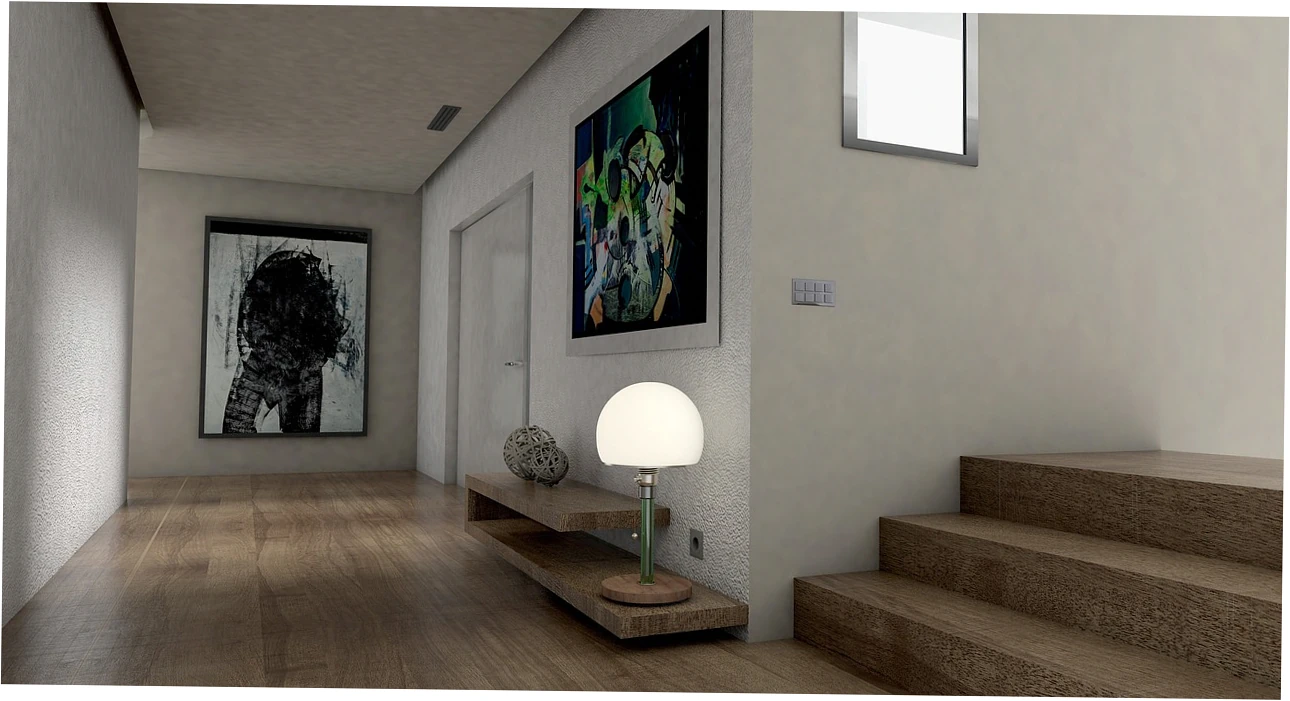
Canvas prints, fabric hangings, and unframed posters are the friendliest rental art because they weigh little. I use removable adhesive strips rated for twice the actual weight, and I avoid glass frames above a sofa or bed. A lightweight wooden frame with acrylic glazing is safer than heavy glass. If you love a gallery wall, start with one row and expand only after checking that every piece stays put for two weeks.
Push pins can work on drywall if you insert them at a slight angle and remove them slowly. But they still leave tiny holes, and some landlords treat them as damage. I reserve pins for inside closets or behind furniture. Magnetic strips and clip rails are better for paper art because they distribute pressure. The goal is not zero marks; it is marks that are invisible, repairable, and unlikely to cost you a deposit.
| Method | Best For | Damage Risk | Renter Notes |
|---|---|---|---|
| Adhesive hooks | Light frames, string lights | Medium | Needs smooth, clean paint; test first |
| Tension rods | Curtains, closet openings | Low | Can scuff trim under high tension |
| Over-door hooks | Robes, wreaths, organizers | Low | Pad metal arms to avoid door rub |
| Push pins | Paper art, lightweight posters | Low to medium | Leaves tiny holes; patch later |
| Freestanding shelves | Decor and storage | None | Needs floor space and stability |
Which Removable Wall Coverings Actually Work?
Peel-and-Stick Wallpaper Realities
Peel-and-stick wallpaper can transform a rental, but it is the highest-risk covering I have tested. It works best on smooth, fully cured, satin or semi-gloss paint. It fails on textured walls, fresh paint, and humid bathrooms. Temporary wallpaper for rentals often looks effortless online, yet removal can pull paint if the adhesive has baked in for a year. I now limit it to small accent panels and closets.
Before applying any removable wallpaper, clean the wall with isopropyl alcohol and let it dry. Apply a small test strip behind a door for two weeks, then remove it slowly. If it lifts paint, stop. If it releases cleanly, you can proceed. Use a squeegee to avoid bubbles, and never stretch the paper around corners. Heat from direct sun can make adhesive more aggressive, so avoid south-facing walls in summer.
Budget-Friendly Fabric and Panels
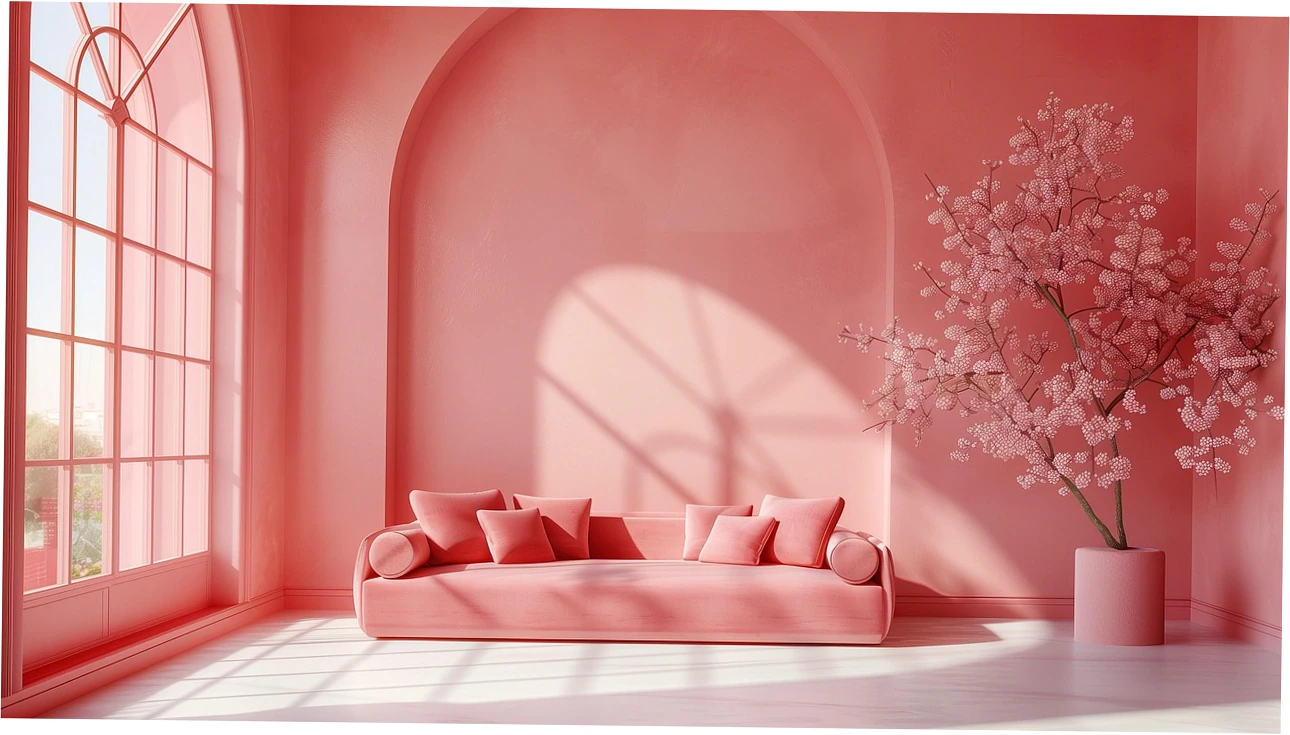
Fabric hangings, lightweight tapestries, and canvas panels are lower risk because they do not rely on strong adhesive. I use a tension rod, a curtain wire, or removable clips to hang fabric, and I keep the fabric away from heaters and candles. For a large blank wall, a fabric panel can add color and texture without paint. It also absorbs sound, which helps in echo-heavy apartments with hard floors.
Removable wall panels and room dividers are another option, especially if you cannot hang anything. They lean or stand, so they do not touch the wall except for a small foot. I like wooden or bamboo panels because they feel warmer than plastic. The trade-off is floor space and stability. If you have pets or toddlers, anchor freestanding panels to furniture or use a wide base to prevent tipping.
Humidity, Texture, and Paint Risks
Humidity is the silent killer of removable coverings. Bathrooms, kitchens, and poorly ventilated bedrooms can soften adhesive, curl edges, and trap moisture against paint. In those rooms, I avoid adhesive wallpaper and choose tension rods, freestanding shelves, or moisture-resistant art. If you see condensation on windows, assume the wall is humid too. A small dehumidifier can protect both your decor and the landlord’s paint.
Texture matters just as much as humidity. Orange-peel drywall, cinder block, brick, and rough plaster create air pockets that weaken adhesive. You can sometimes use a primer patch or a smooth panel, but that adds cost and removal risk. I test adhesion on a hidden spot before committing. If the surface feels gritty or chalky, choose a non-adhesive method. No product can overcome a wall that is physically incompatible.
| Covering Type | Ideal Surface | Removal Risk | Cost Level |
|---|---|---|---|
| Peel-and-stick wallpaper | Smooth, cured satin paint | High | Medium to high |
| Fabric panels | Any wall with tension rod | Low | Low |
| Vinyl decals | Smooth, glossy paint | Medium | Low |
| Removable wall panels | Any wall, freestanding | None to low | Medium |
| Large canvas art | Any wall, leaning or hung | Low | Medium |
Best No-Damage Decor for Awkward Walls
Covering Blemishes and Ugly Paint
When your walls are aggressively beige, covering ugly rental walls with tension fabric, removable panels, or large art can shift the room without paint. I start by identifying the worst sightline, then cover only that area. A large canvas or fabric panel hides more than a cluster of small frames. For a budget approach, use a flat sheet, curtain, or thrifted tapestry and hang it with clips on a tension rod.
If the wall has patches or stains, do not cover them with adhesive products immediately. Clean the surface, let it dry, and consider a freestanding screen. Covering a stain with wallpaper can trap odor or moisture. For small scuffs, a touch-up marker may match the paint, but test it first. I keep a paint chip from move-in day so I can buy a matching sample for tiny repairs. That small step has saved me from repainting whole walls.
Gallery Walls Without Nails
A gallery wall can work without nails if you use a picture ledge, a clip rail, or removable adhesive strips. I prefer a narrow picture ledge because it distributes weight and lets you change art without new holes. If you use adhesive strips, keep frames under two pounds and avoid glass. Arrange the layout on the floor first, then trace paper templates on the wall with removable tape. Step back and adjust before sticking anything.
For a more secure gallery, use a tension wire system between two hooks, but that still requires small holes. A freestanding ladder shelf or a leaning mirror can create a gallery effect without wall contact. I have also used a fabric-covered bulletin board as a single large art piece. It hides pin holes and adds texture. The goal is to create one strong focal point rather than many weak attachment points.
Small Apartments and Tight Corners
Small apartments need vertical interest, but corners are tricky because tension rods may not fit. I use tall plants, leaning mirrors, and narrow shelves that rest on the floor. A floor lamp with a patterned shade adds color without touching the wall. If you have a deep window reveal, a tension rod works well for a curtain. In tight corners, a folding screen can hide clutter and create a dressing area without drilling.
For narrow walls behind doors, removable hooks can hold lightweight bags or hats. I avoid hanging anything heavy there because doors swing and knock items loose. Command strips work on smooth paint, but they still need a clean surface. If the wall is textured, use an over-door rack instead. Measure the door gap first; some racks need a quarter-inch clearance. Small spaces reward planning more than force.
What Risks Should Renters Watch First?
Paint Chips and Deposit Deductions
The biggest risk is not the nail hole; it is the paint chip that grows when you remove a sticky product. Low-quality paint, layered paint, and freshly painted walls are most vulnerable. I have seen a single adhesive strip pull a palm-sized patch from a poorly primed wall. In that situation, no product is truly rental safe. Document the paint condition at move-in, and if you see bubbling or peeling, avoid adhesives entirely.
Another risk is the shadow outline left when art blocks sunlight and cooking smoke. Even if you remove every hook cleanly, the wall around the art may be darker or lighter. Landlords can charge for repainting if the contrast is obvious. I rotate art every few months and avoid hanging anything on exterior walls with strong sun. For long tenancies, this faded outline risk grows, so plan for it before you decorate.
Heat, Humidity, and Adhesive Failure
Heat softens adhesive, and humidity weakens the bond. Above radiators, near stoves, and in bathrooms, removable hooks can slide or release without warning. I never hang glass or heavy mirrors in those zones. If you must use adhesive, choose a product rated for high humidity and clean the wall with alcohol first. Check the hook weekly for the first month; a slow slide is easier to fix than a sudden crash.
Cold can also make adhesive brittle, especially in unheated apartments or during winter moves. When removing strips in cold weather, warm the wall slightly with a hair dryer on low. Pull the strip downward, not outward, and stop if you feel paint lifting. Patience is the best tool. If a strip resists, use dental floss to slice the adhesive instead of yanking. That technique has saved several walls for me.
Landlord Negotiation and Legal Limits
Some landlords treat any wall change as a lease violation, while others allow small nails if you patch. The difference often comes down to local law and the lease wording. In many places, small holes from picture hanging are considered normal wear, but that is not universal. I ask for permission in writing and keep the reply. If a landlord refuses even removable hooks, I use freestanding decor and tension rods only.
If a landlord tries to charge for ordinary wear, ask for an itemized receipt and photos. You can also cite your move-in inspection report. Most disputes are resolved when you show the wall was already imperfect or the damage is minor. I once challenged a $150 repainting fee with date-stamped photos and won. Do not assume the first bill is final. Know your rights, but stay polite and factual.
| Official Claim | Real Renter Experience | Why It Happens |
|---|---|---|
| Removes cleanly every time | Sometimes pulls paint or leaves outline | Low-quality paint, heat, or long adhesion |
| Works on textured walls | Often fails on orange-peel or brick | Air pockets weaken the bond |
| Safe in bathrooms | Can slide in humidity | Moisture softens adhesive |
| Deposit safe | Landlord may still charge for paint shadow | Sun and smoke fade surrounding paint |
How Much Does Damage-Free Decorating Cost?
Entry-Level vs Premium Kits
A basic rental kit can cost under $40: a pack of adhesive strips, a tension rod, two lightweight frames, and a roll of removable tape. Premium systems, like designer temporary wallpaper or modular picture ledges, can run $200 to $600 for one room. The price difference is not always about safety. Sometimes you pay for style, easier removal, or better instructions. I compare removal risk before price, because a cheap product that fails can cost more than a premium one.
For a typical one-bedroom, I budget $120 to $250 for damage-free decor. That covers one large art piece, two tension rods, a set of removable hooks, and a floor screen. If you move often, reusable products are worth the premium. If you plan to stay for years, you may invest in a picture ledge that screws into studs, but only with permission. Always keep receipts so you can prove what you used.
DIY vs Hiring a Handyperson
Most damage-free decorating is DIY-friendly, but some tasks are worth professional help. Installing a picture rail, a ceiling track, or a large tension system may require precise measurements. A handyperson can also patch and paint small holes if your lease allows. I call a professional when a wall is plaster, historic, or already fragile. The cost is usually $80 to $200, which can be less than a repainting charge.
If you hire someone, confirm they understand rental constraints. Ask them to use removable anchors, avoid excessive adhesive, and photograph the wall before and after. I also request a written scope that says no drilling unless approved. A good pro will appreciate the clarity. If you DIY, buy a stud finder, a level, and a plastic scraper. Those tools prevent crooked art and rushed removals.
When to Spend More for Safety
Spend more when the wall is textured, historic, or painted with low-VOC paint that chips easily. In those cases, premium removable products with gentle adhesive and clear removal instructions are worth it. I also spend more on a dehumidifier if the apartment is damp, because moisture ruins cheap adhesive and paint. The best investment is often not decor; it is prevention. A $60 dehumidifier can save a $500 paint job.
Another time to spend more is when you cannot risk any marks, such as a short-term rental or a corporate lease. Freestanding furniture, large plants, and floor lamps cost more but leave zero wall contact. I have furnished entire rooms with leaning mirrors, open shelving, and room dividers. It looks intentional and avoids the deposit gamble. For long-term renters, a mix of low-cost removable items and a few sturdy freestanding pieces works best.
Smart Renter Maintenance Before Move-Out
Documenting Wall Condition
Before you remove anything, photograph every wall in daylight. Include close-ups of hooks, strips, and any existing marks. Then remove products slowly and photograph the wall again. I keep a move-out folder with lease clauses, landlord emails, and receipts. If a dispute arises, this evidence shows you acted in good faith. It also helps you see whether a mark is new or was there before you moved in.
Compare your move-in photos with the current condition. If you see new chips, note their size and location. Small pinholes can be filled with lightweight spackle and touched up with matching paint. But do not attempt repairs unless you know the paint sheen and color. A bad patch can look worse than the original hole. When in doubt, ask the landlord what they prefer. Some would rather handle repairs themselves.
Cleaning Removable Products
Adhesive residue comes off more easily with warmth and patience. I use a hair dryer on low, then a plastic scraper, then a small amount of rubbing alcohol on a cloth. Test alcohol on a hidden spot first, because it can dull some finishes. Never use a razor blade on drywall; you will gouge the paper. For sticky patches, a dab of vegetable oil can help, but it may stain paint. Go slowly and stop if the paint softens.
Tension rods should be released before you clean windows. Wipe the rubber pads with water and mild soap, then dry them completely before storage. Wall coverings like fabric panels should be laundered according to their care labels. Removable wallpaper should be peeled at a low angle, not pulled straight out. If it resists, warm it slightly. I label every removable item with its original packaging so I can reuse it in the next apartment.
Your Final Walkthrough Plan
Schedule a walkthrough before your official move-out inspection. Use a checklist: walls, trim, windows, doors, and floors. For walls, look for holes, tape residue, scuffs, and shadow outlines. If you find minor issues, decide whether to repair or disclose. Honesty often reduces charges. I bring my photo folder and a printed list of products used. That preparation turns a tense inspection into a factual conversation.
If you cannot attend, ask a trusted friend to take photos. Get the landlord’s written confirmation of any agreed deductions. Keep your moving receipts and correspondence for at least a year. The goal is not to hide damage; it is to show that you decorated responsibly and left the apartment in comparable condition. With the right methods, you can enjoy a personalized rental and still protect your deposit.
Renter Wall Decorating Questions Answered
What is the biggest mistake renters make when hanging wall decor?
The biggest mistake is trusting a product label without testing your actual paint. Renters often stick heavy items on dusty, textured, or freshly painted walls, then pull them off quickly. That combination causes most paint chips. Test a small strip in a hidden area, clean the surface, wait for full cure time, and remove slowly. If the wall already peels, skip adhesive and choose freestanding decor.
Are adhesive hooks better than nails for rental walls?
Adhesive hooks are better when your lease bans holes and your walls have smooth, cured paint. Nails are better when you need strong holding power and your lease allows small holes you can patch. Neither is universally safer. Adhesive can rip paint; nails can violate a strict lease. I choose adhesive for lightweight items and negotiate before using nails for anything heavier.
Can temporary wallpaper damage paint in humid apartments?
Yes, temporary wallpaper can damage paint in humid apartments because moisture softens adhesive and traps it against the wall. It may curl, mold, or pull paint on removal. I avoid it in bathrooms and kitchens unless the room has strong ventilation and the wall is smooth and fully cured. A test strip for two weeks is the only reliable way to know.
How do I decorate a textured rental wall without drilling?
Textured walls defeat most adhesives, so use tension rods, over-door hooks, leaning mirrors, freestanding shelves, or large floor plants. A fabric panel on a tension wire can cover a large area without bonding to the wall. If you must use adhesive, try a small test patch first; orange-peel, brick, and cinder block often require mechanical support instead.
How much should I budget for damage-free apartment wall decor?
A realistic budget is $120 to $250 for a one-bedroom if you buy reusable hooks, two tension rods, a large canvas, and a floor screen. You can start under $40 with lightweight frames and one rod. Premium temporary wallpaper or modular ledges can push costs to $600 per room. Spend more on removal safety if your paint is fragile or your lease is strict.
Which renters should avoid adhesive products entirely?
Renters with textured walls, historic plaster, fresh paint, low-quality paint, or high humidity should avoid adhesive products entirely. The same applies if your lease explicitly bans adhesives or if you have a very short lease. In those cases, use tension rods, freestanding furniture, leaning art, and floor lamps. Zero-contact decor is boring only if you choose boring pieces.
What should I do if a landlord charges for small wall holes?
Ask for an itemized bill with photos and compare it to your move-in report. Small picture holes are often normal wear, but rules vary by location. If the charge seems unfair, cite your documentation and ask for a reconsideration in writing. I have won a $150 repainting fee this way. Stay factual, polite, and persistent.